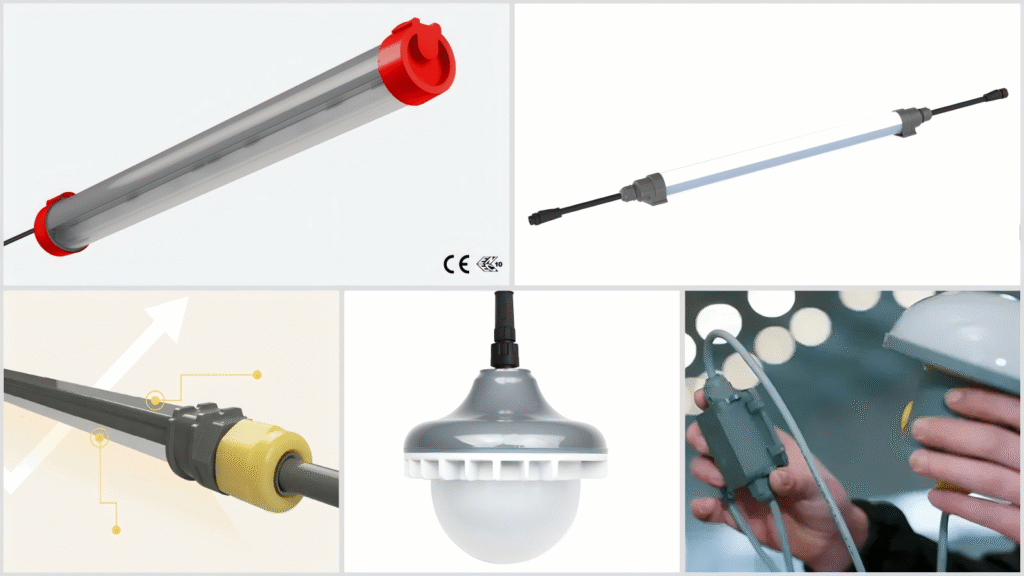
Animal lighting is a lighting system designed to support the biological needs of livestock. It looks similar to normal LED lights, but it works very differently. Animals see light in another way. They sense different wavelengths, respond to brightness more strongly, and rely on light to control their daily rhythm. Because of this, normal household lights cannot provide the right conditions for animals on a farm.
Good lighting helps animals stay calm, eat well, grow steadily, and stay healthy Today, more farms choose professional animal lighting because it directly improves productivity and reduces energy costs. In this article, we will explore what animal lighting is, what types exist, and why it matters so much for farms.
Types of Animal Lighting
Different animals need different lighting environments. Below are the most common categories you will see on modern livestock farms.
1. Poultry Lighting (Chicken Farms)
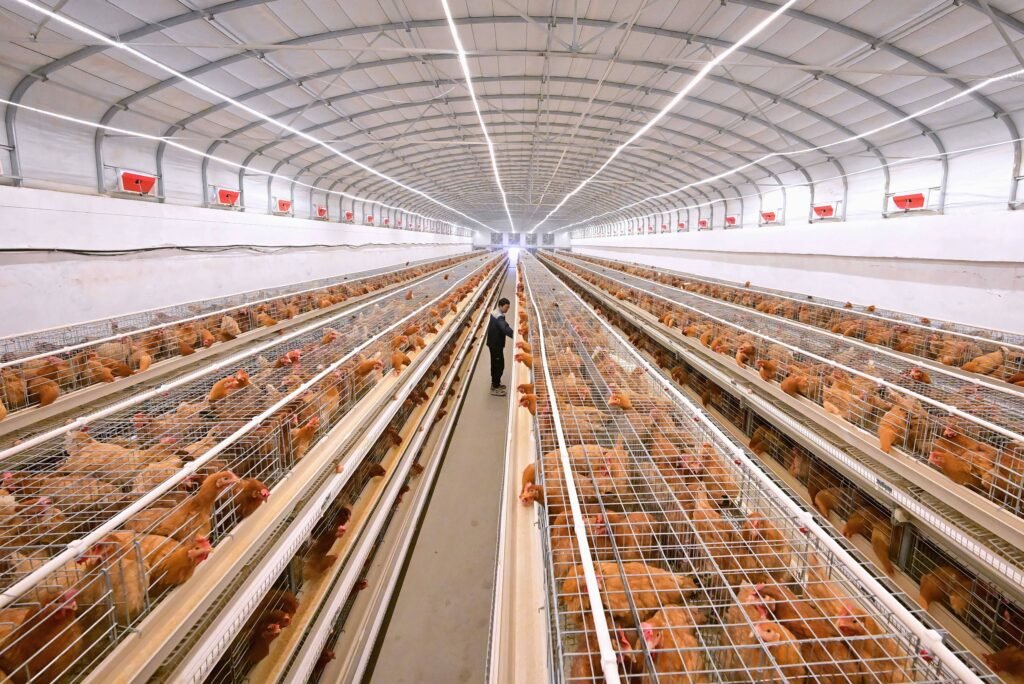
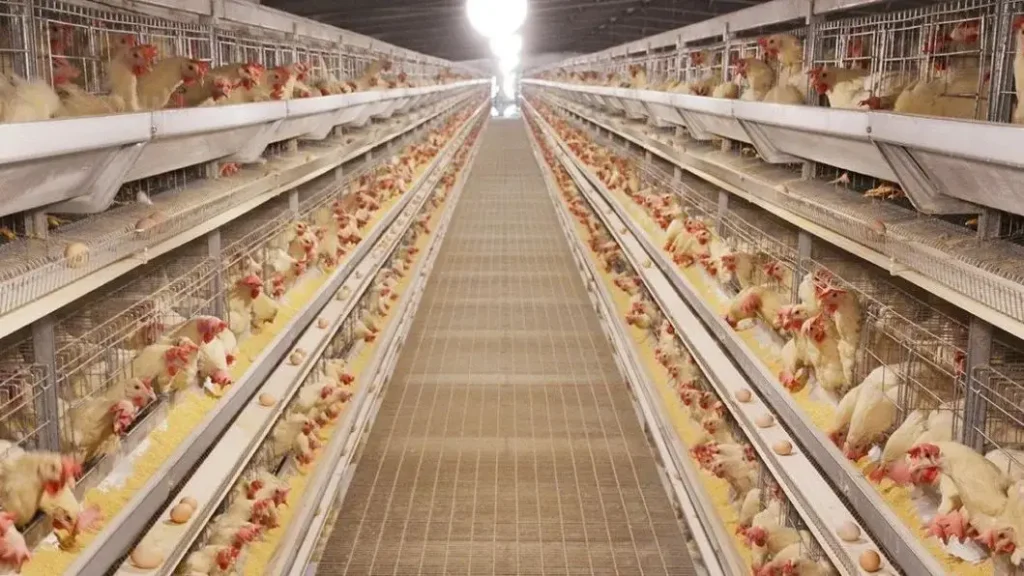
Poultry lighting is one of the most widely used systems. Chickens react strongly to light spectrum and intensity.
Red–white balanced light helps reduce stress.
Stable light encourages feeding and movement.
Correct light hours improve egg production and growth.
Most poultry farms use flicker-free, dimmable LED lights because chickens can detect flicker that humans cannot see.
2. Dairy Barn Lighting (Cows)
Cows rely on light to regulate hormones. A proper lighting schedule helps them stay active and produce more milk.
The typical cycle is:
16 hours of light
8 hours of darkness
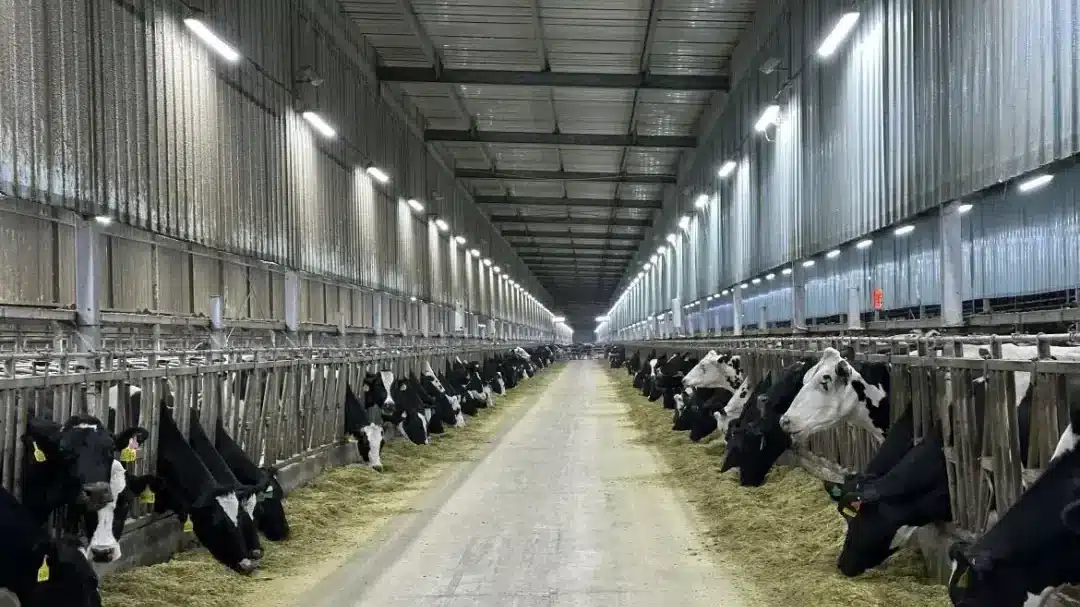
Research shows that this schedule can increase milk yield by 6–10%. Dairy barn lights also need to be waterproof, dustproof, and ammonia-resistant because the barn environment is harsh.
3. Pig Farm Lighting (Pigs)
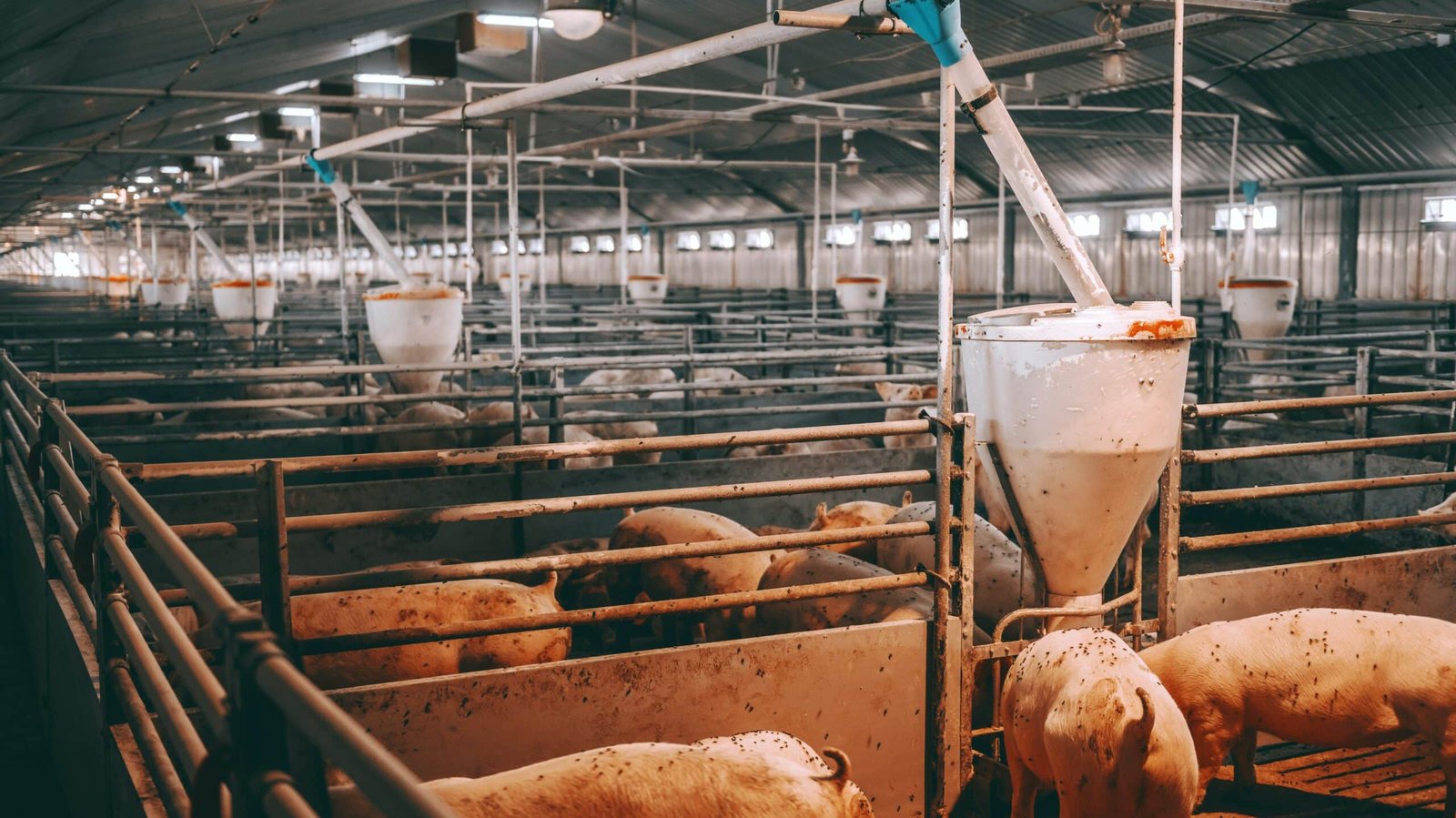
Pigs prefer soft and even lighting. Too much brightness can make them anxious, while uneven light can affect feeding behavior.
Good pig lighting should:
Reduce aggression
Support steady growth
Improve overall welfare
Because pig houses are humid and corrosive, lighting must have strong protection against moisture, dust, and ammonia.
4. Specialty Lighting
Some farms require more specific lighting solutions:
Lights for young animals (brooders, nurseries)
Smart lighting with automatic dimming
Blue-enhanced light for calm environments
UV-balanced light for behavior control
These systems help farms create lighting plans for different growth stages.
Benefits of Animal Lighting
LED animal lighting offers advantages far beyond simple illumination. Below are the most important benefits for modern farms.
1. Better Productivity
Light influences hormones, appetite, reproduction, and rest. When animals receive the right type of light, they grow better and stay healthier.
Examples include:
Higher egg production in poultry
More milk from dairy cows
Faster weight gain in pigs
Lighting is one of the easiest tools to improve farm output without changing feed or adding medication.
2. Improved Animal Welfare
Good lighting reduces stress. It helps animals follow a natural day–night rhythm, keeps them calm, and prevents aggressive behavior.
This leads to:
Fewer injuries
Better immune functions
More balanced daily activity
Healthy and comfortable animals always perform better.
3. Energy Saving and Long Lifespan
LED animal lights can reduce energy use by 40–60% compared to traditional lamps. They also last much longer—often more than 50,000 hours.
This means fewer replacements and less maintenance, which is important for large farms.
4. Precise Control and Automation
Modern lighting systems allow farmers to adjust brightness and schedule.
Features may include:
Gradual sunrise and sunset simulation
Automatic dimming for night hours
Different lighting curves for different animals
These functions help create a stable and productive environment across the whole farm.
Conclusion
Animal lighting is more than a basic lamp. It is a scientific tool that influences animal behavior, health, and long-term performance. Poultry, dairy cows, and pigs all respond to light differently, and giving them the right lighting environment brings clear benefits to the farm.
As LED technology improves, more farms are upgrading their old lamps to professional animal lighting systems. The result is simple: higher productivity, lower energy costs, and better animal welfare.
If you are choosing lights for your own farm, start by understanding your animals’ needs. A well-designed lighting plan can quickly become one of your most valuable investments.
FAQ
1. Can I use normal LED lights in a barn?
Not recommended. Normal LEDs may flicker, have the wrong spectrum, or fail quickly in ammonia-rich environments. Animals are sensitive to light, so specialized LED animal lights work much better.
2. What is the best light spectrum for poultry?
A red–white balanced spectrum is commonly used. It supports calm behavior, steady feeding, and better laying performance.
3. Will animal lighting reduce my electricity bill?
Yes. LED animal lights typically save 40–60% energy compared to traditional lights.
4. Does lighting really affect milk production in cows?
Yes. Studies show proper light cycles can increase milk yield by 6–10%.
5. How long do animal lights last?
High-quality livestock lights last 50,000–60,000 hours and require minimal maintenance.