Many livestock farms are still using fluorescent lights.
They were once the standard solution for barns and animal houses.
However, lighting technology has changed quickly.
LED systems are now more efficient, more durable, and better suited for harsh farm environments.
In 2026, the question is no longer about brightness alone.
It is about long-term cost, reliability, and suitability for modern livestock farming.
Where Fluorescent Lights Are Still Used
Fluorescent lights are mainly found in older facilities, such as:
Older pig houses and poultry sheds
Storage rooms and corridors
Farms that upgraded equipment but not lighting
They remain in use because of low upfront cost and existing installations.
But these systems struggle under today’s farm conditions.
Key Differences Between LED and Fluorescent Lighting
Energy Efficiency
Fluorescent lamps typically deliver 70–80 lm/W, while modern livestock-grade LED lights commonly reach 120–150 lm/W.
In practice, the same brightness produced by a 20W fluorescent lamp can often be replaced by a 10–12W LED fixture.
In barns where lights operate 12–18 hours per day, this difference becomes noticeable within the first year.
Fluorescent lamps also lose output over time as tubes and ballasts age, while LED output remains far more stable throughout its lifespan.
Energy efficiency has become a key factor in long-hour operating facilities.
Light Quality and Flicker
Fluorescent systems often flicker, especially when aging.
This flicker may be invisible to humans but can disturb animals.
LED livestock lights are designed to be flicker-free, providing stable illumination that supports calmer behavior and safer movement.
Durability in Harsh Environments
Moisture, dust, and ammonia quickly degrade fluorescent lamps and ballasts.
Failures often occur at electrical components rather than the lamp itself.
Livestock-grade LED fixtures use sealed housings and corrosion-resistant materials, making them far more reliable in daily farm operation.
Maintenance and Replacement
Fluorescent systems require frequent tube and ballast replacement.
This increases labor cost and causes unnecessary disturbance in animal areas.
LightingEurope – LED lifetime & maintenance
LED lights last significantly longer and usually allow individual fixture replacement, reducing downtime.
Compatibility with Modern Controls
Fluorescent lighting offers limited dimming and poor compatibility with modern control systems.
LED lighting works smoothly with timers, dimming, and day–night programs commonly used on farms today.
Impact on Different Livestock Farms
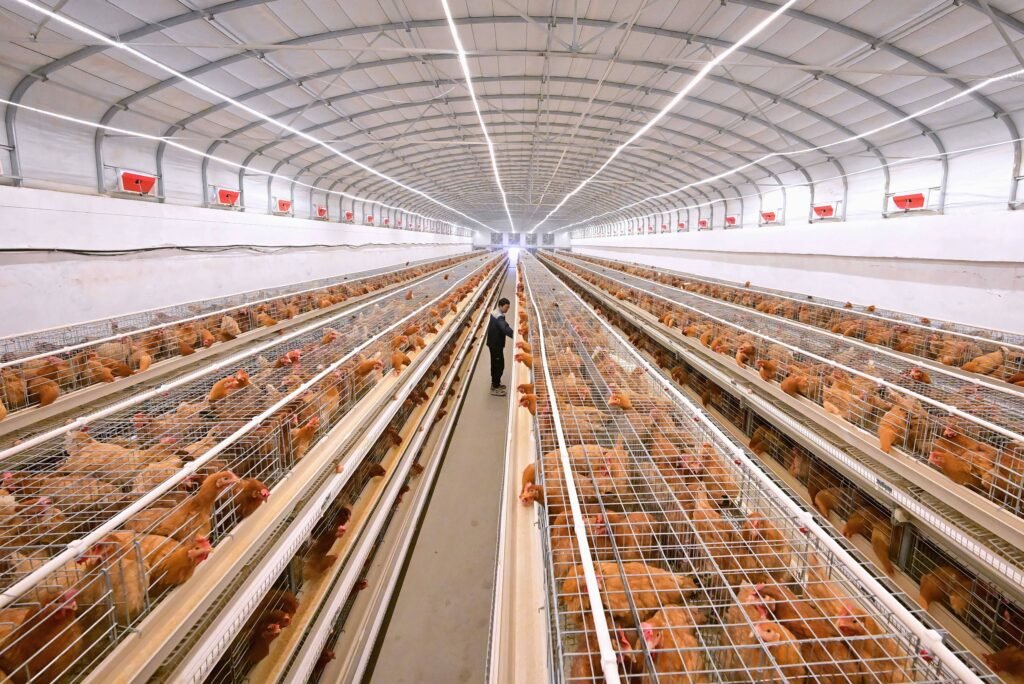
Poultry Farms
Chickens are highly sensitive to flicker and uneven light.
As fluorescent lamps age, light stability often declines.
LED poultry lighting provides uniform, flicker-free illumination, supporting consistent feeding and resting patterns.
This is why LED systems are now standard in most newly built poultry houses.
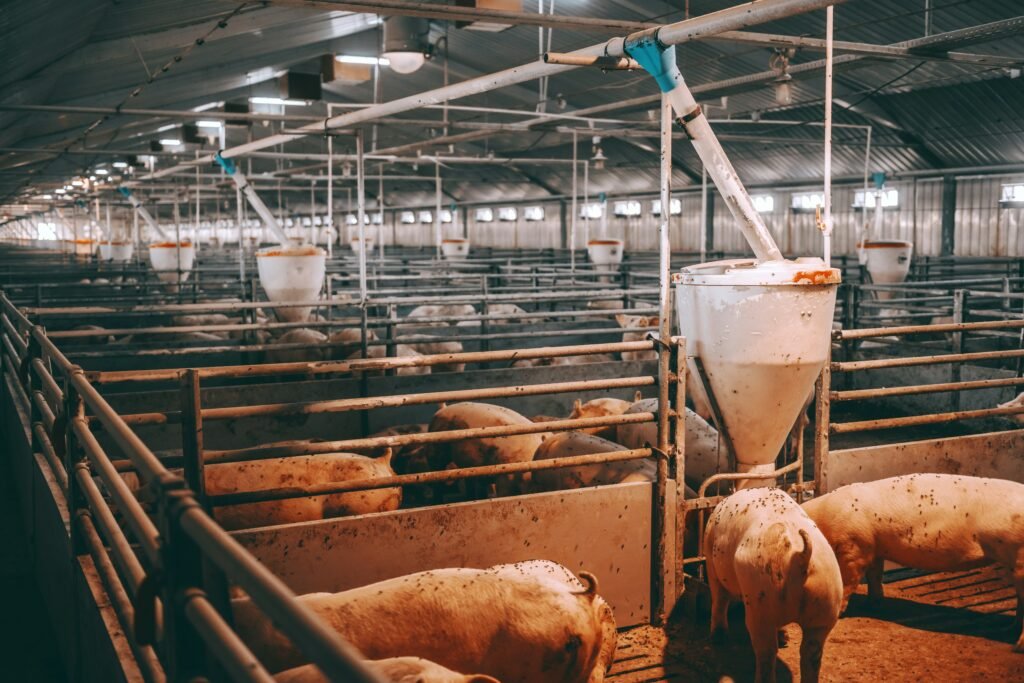
Pig Farms
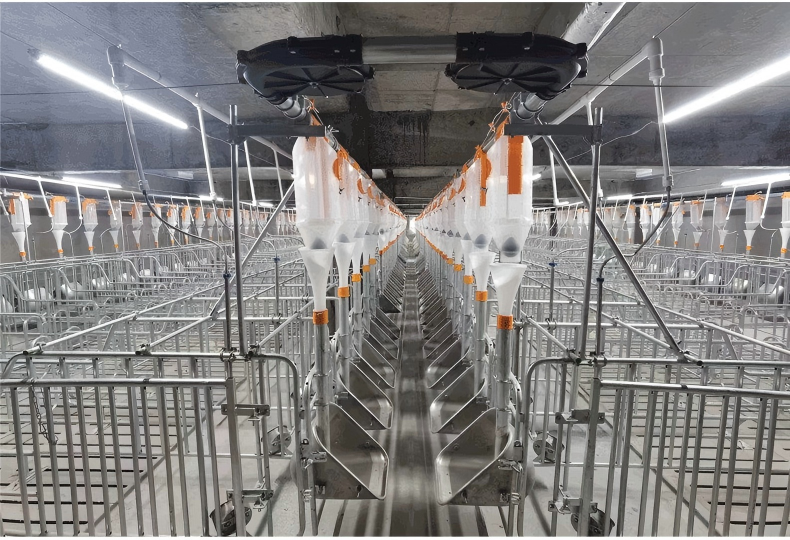
Pig houses are among the harshest lighting environments.
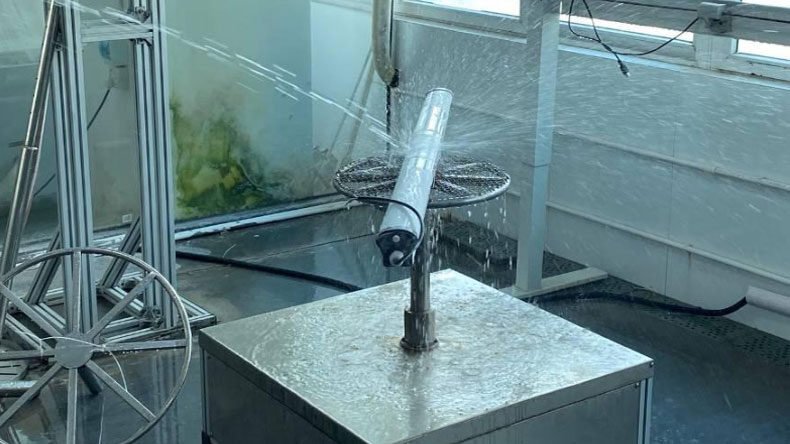
High ammonia levels and frequent washdowns quickly shorten the lifespan of fluorescent fixtures.
LED pig barn lighting offers better sealing, longer lifespan, and more uniform light, improving safety and daily management.
Dairy Barns
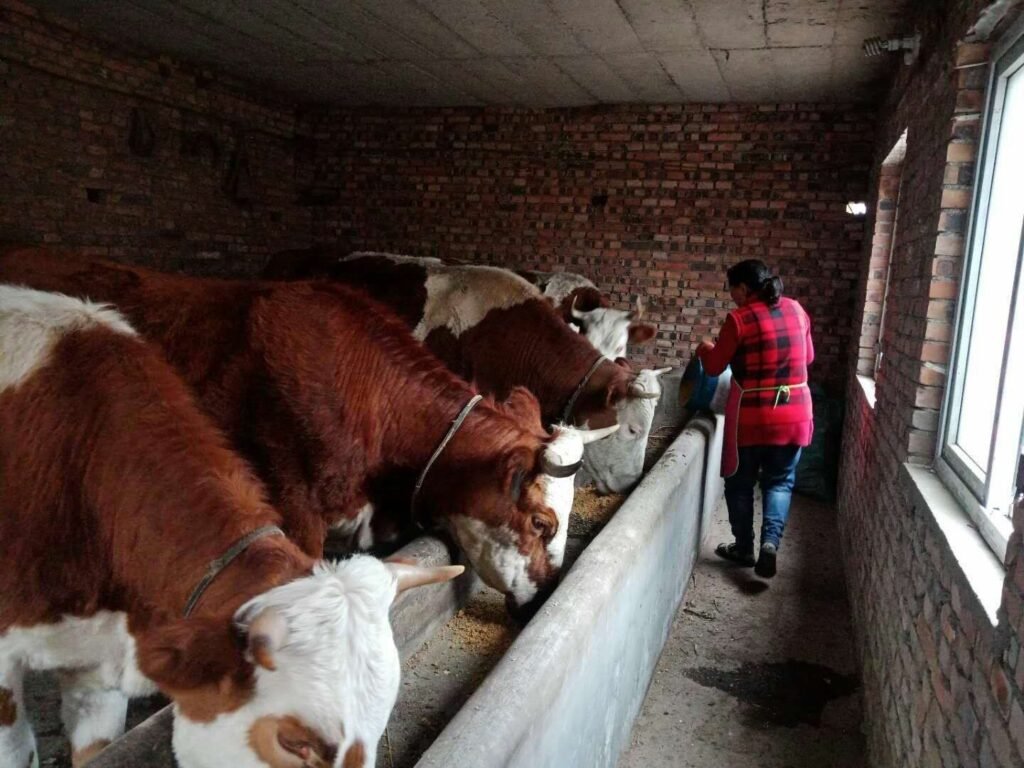
Dairy farms often operate lighting for long hours under long-day lighting programs.
Fluorescent systems struggle to maintain stable output over time.
LED lighting delivers consistent brightness and integrates easily with long operating schedules, making it the preferred option in modern dairy barns.
Cost Comparison: Short-Term vs Long-Term
Fluorescent lights appear cheaper at purchase, but operating costs are higher.
A typical fluorescent tube lasts about 8,000–10,000 hours, while livestock-grade LED lights often reach 40,000–50,000 hours.
Energy use also differs significantly.
Replacing a 20W fluorescent lamp with a 10–12W LED fixture can reduce power consumption by around 40–50%.
When electricity, replacement, and labor are considered together, LED lighting usually results in a lower total cost over 1years, despite the higher initial investment.
When Fluorescent Lights Might Still Make Sense
Fluorescent lighting may still be acceptable in:
Temporary facilities
Storage or utility areas
Spaces without animals
For primary animal housing, fluorescent systems are rarely the best long-term choice in 2026.
How to Plan a Smooth Upgrade to LED Lighting
A lighting upgrade does not need to happen all at once.
Practical steps include:
Start with high-use animal areas
Use plug-and-play LED fixtures to reduce installation time
Upgrade section by section
This approach minimizes disruption and spreads investment over time.
Conclusion
In 2026, the choice between LED and fluorescent lighting is clear for most livestock farms.
LED systems offer higher efficiency, better durability, and lower long-term cost.
Fluorescent lights may still exist in limited areas, but they are no longer suitable as the main lighting solution for animal housing.
FAQ
Is LED always better than fluorescent lighting?
For animal housing and long operating hours, yes.
Do LED lights help reduce stress in animals?
Flicker-free and uniform light supports calmer behavior.
Can fluorescent lights be dimmed effectively?
Only to a limited extent. LEDs perform much better.
How long do LED lights last in barns?
Livestock-grade LEDs typically last several times longer than fluorescent lamps.