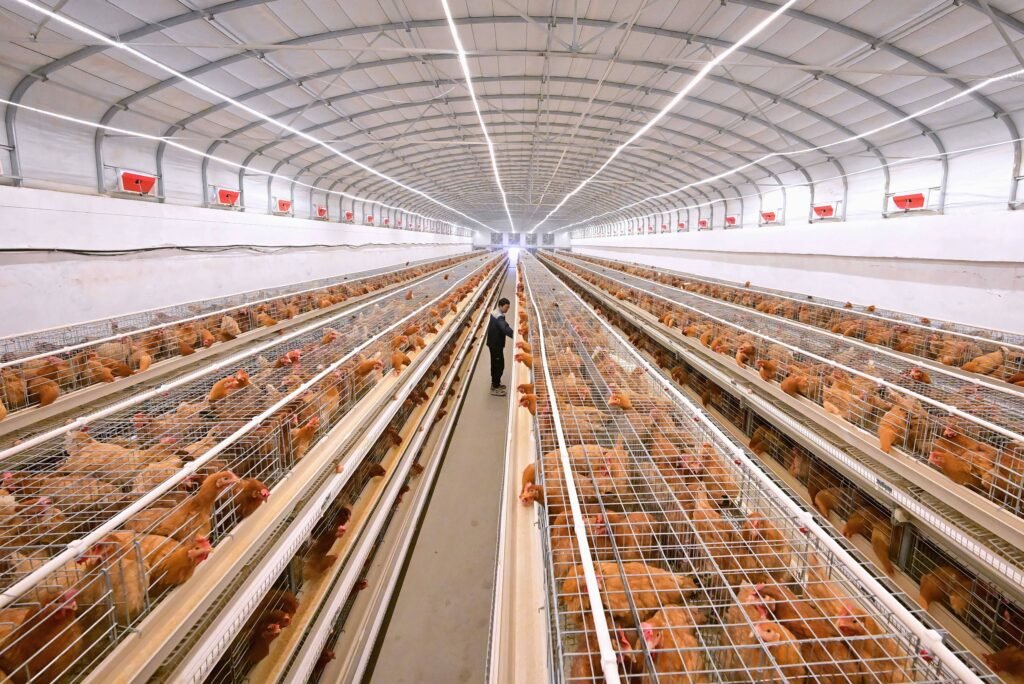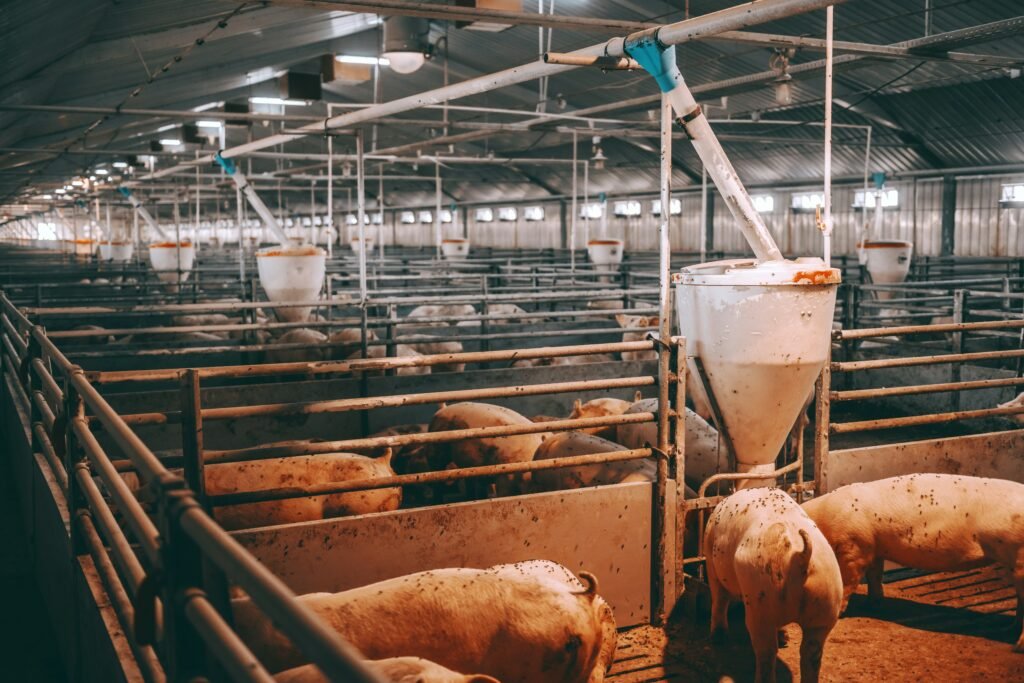
Cheap livestock lights often look attractive at first glance.
Lower price. Simple specifications. Quick purchase.
But in real farm environments, lighting is not a one-time cost.
Over time, many farms discover that “cheap” lighting becomes expensive—just not on the invoice.
This article explains the hidden costs of low-cost livestock lighting, and why price alone is rarely the best indicator of value.
1. Shorter Lifespan Than Expected
Low-cost livestock lights are often adapted from industrial or indoor products.
They may look similar on paper, but materials and sealing quality are different.
In high-humidity and high-ammonia barns, these lights frequently show early degradation:
Plastic housings become brittle
Seals harden or crack
Cable entries lose tightness
Instead of lasting years, fixtures may need replacement within 12–24 months.
What seemed like a low upfront cost turns into repeated purchases.
2. Frequent Maintenance and Labor Costs
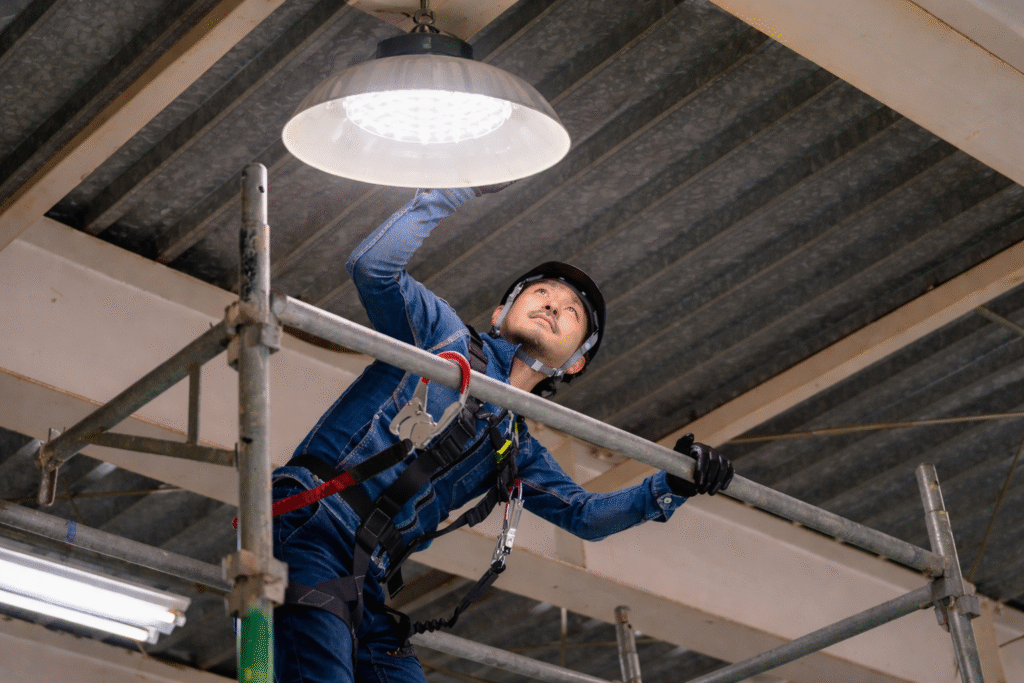
Replacing lights in livestock barns is not simple.
Maintenance often involves:
Ladders or lifts
Power shutdowns
Cleaning before re-installation
Staff time during working hours
Even if the light itself is cheap, labor is not.
Frequent replacements increase maintenance workload and disrupt daily farm routines.
Over time, labor costs quietly exceed the initial savings.
3. Downtime and Operational Disruption
Lighting failure rarely happens at a convenient time.
It often occurs during feeding, inspection, or cleaning.
Poor lighting creates:
Unsafe working conditions
Stress for animals
Delays in daily tasks
In large barns, even partial lighting failure can affect entire sections.
Downtime is rarely calculated upfront, but it has real operational impact.
4. Higher Energy Consumption Over Time
Cheap lights often use older LED technology or lower-efficiency drivers.
For example:
Low-cost fixtures may deliver 70–90 lm/W
Modern livestock-grade LED lights typically exceed 120–150 lm/W
This means more power is needed to achieve the same brightness.
In barns running lights 12–18 hours per day, small efficiency gaps translate into higher electricity bills year after year.
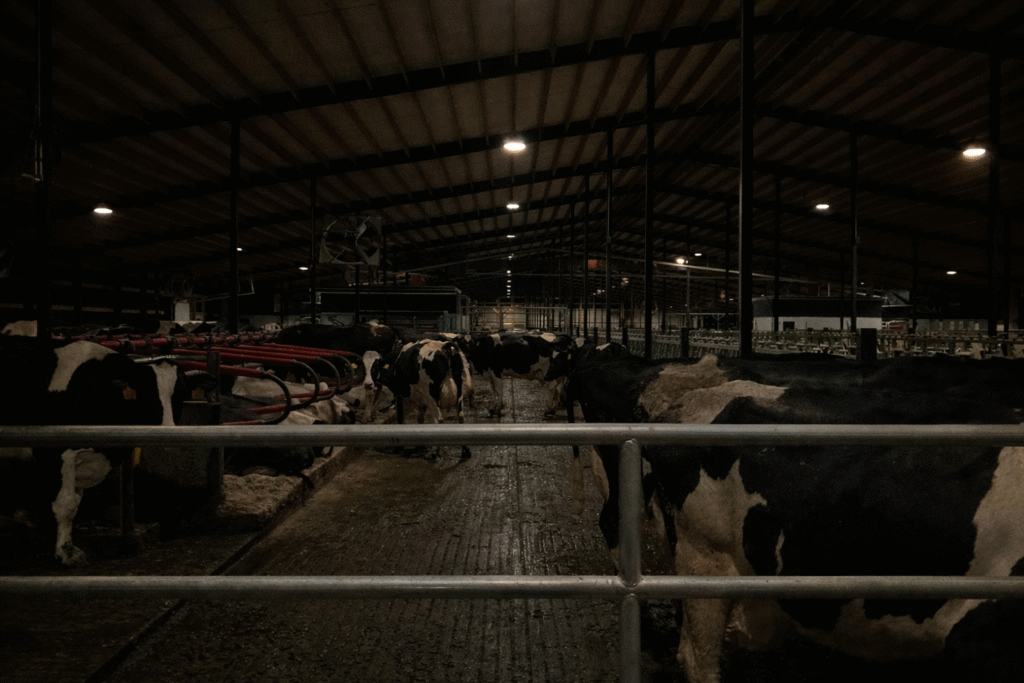
5. Light Quality Degradation
Low-cost lighting often loses output faster than expected.
Common issues include:
Yellowing covers
Uneven brightness
Increased flicker as drivers age
Animals are sensitive to changes in light stability.
Inconsistent lighting can increase restlessness and make daily management harder.
While difficult to measure on a spreadsheet, this cost is very real in practice.
6. Poor Compatibility With Modern Control Systems
Many cheap lights are not designed for:
Smooth dimming
Day–night lighting programs
Timer or controller integration
As farms modernize, these limitations become a problem.
Lighting systems that cannot adapt often need to be replaced entirely—earlier than planned.
7. Early Replacement Means Higher Long-Term Cost
When lifespan, labor, energy use, and downtime are combined, the picture becomes clear.
A low-cost light may need:
Multiple replacements
Higher electricity consumption
More maintenance hours
Meanwhile, a livestock-grade light is designed to:
Resist ammonia exposure
Survive regular washdowns
Maintain stable output over time
Over a 3–5 year period, the “cheaper” option often costs more overall.
How to Avoid These Hidden Costs
When evaluating livestock lighting, look beyond price.
Key questions to ask:
Is the light designed specifically for livestock housing?
Has it been used in pig or poultry barns long term?
Are materials resistant to ammonia exposure?
Is the system easy to install and replace?
Choosing lighting built for real farm conditions reduces long-term risk.
You can explore livestock-specific lighting systems here:amberagri.com
Conclusion
Cheap livestock lighting often appears economical at the start.
But hidden costs—maintenance, downtime, energy use, and early replacement—add up quickly.
In demanding farm environments, durability and stability matter more than purchase price.
Lighting designed for livestock conditions may cost more upfront, but it usually delivers better value over time.
FAQ
Are cheap livestock lights always a bad choice?
They may work in low-use or temporary areas, but not in primary animal housing.
Why do low-cost lights fail faster in barns?
They are often not designed for ammonia exposure and frequent washdown.
Is higher price always better?
No. The key is whether the light is built for livestock environments, not just price.