Types, Benefits, and How to Choose the Right One for Your Farm
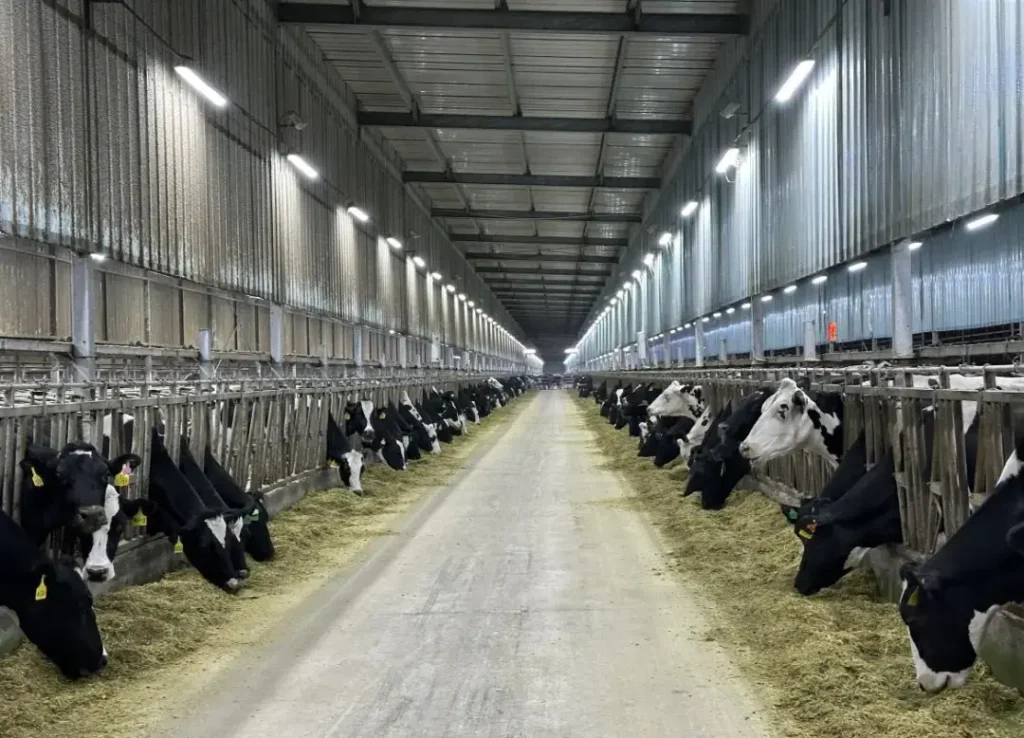
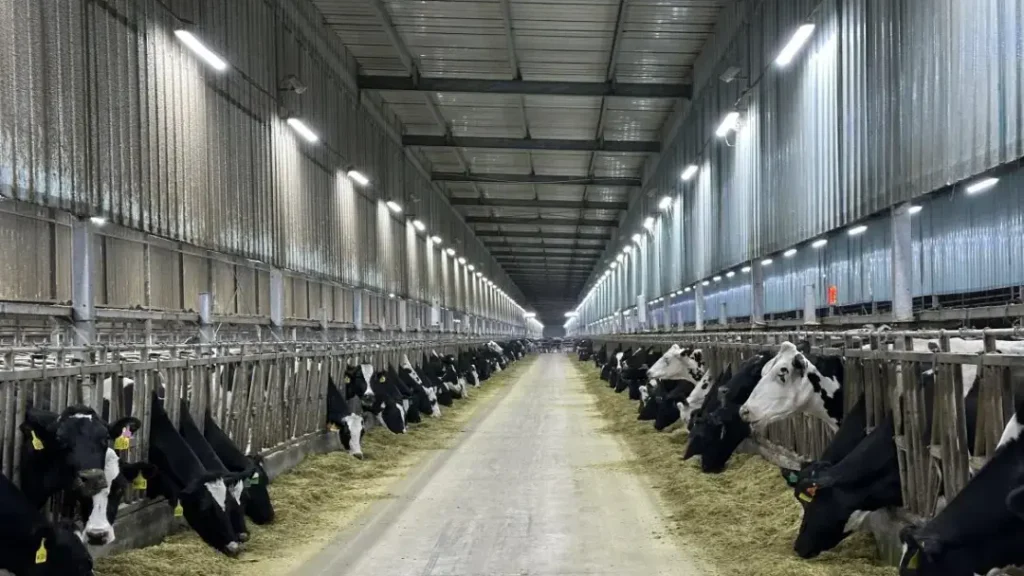
If you have been to a dark barn, you can probably feel it. The cows there move slower, they eat less, and the whole place feels quiet in a strange way. And good lighting changes that completely. That is what cattle lighting is really about: using the right kind of light to help cows stay calm, healthy, and productive.
What Is Cattle Lighting
Cattle lighting is not just about putting lamps in a barn.
It is about understanding what cows need. Their eyes and hormones respond to light differently than ours.
When lighting is well-designed — not too bright, not too dark — cows eat more steadily and produce more milk.
The right system uses LED lights built for barn conditions: humid air, dust, and ammonia, all the things that make ordinary bulbs fail fast.
Why Lighting Matters for Dairy Cows
Cows notice daylight changes more than people realize.
They follow a rhythm — about 16 hours of light and 8 hours of darkness.
Keep that rhythm steady, and milk yield goes up naturally.
But it is not only about time. The color of the light matters too.
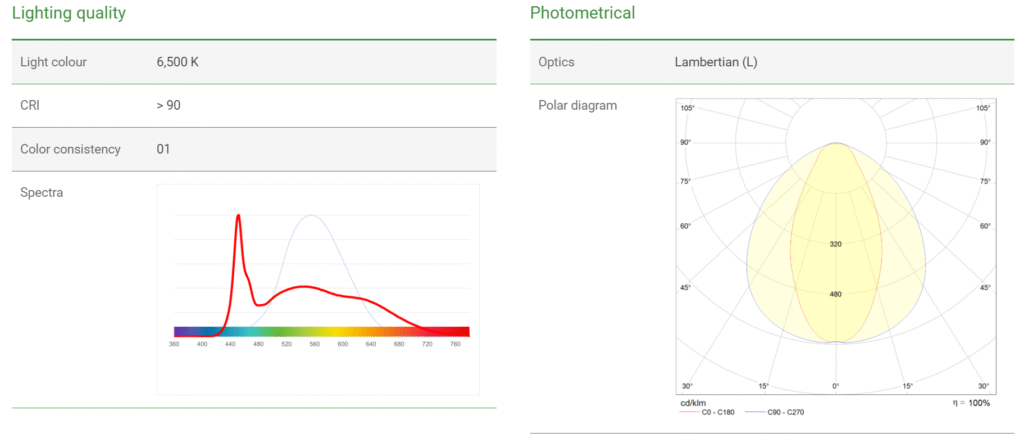
LEDs with a blue-balanced daylight tone, around 5,000 to 10,000 K, help cows feel alert during the day.
That is why farms that switch to proper LED cattle lighting often report a 5–7 percent milk increase within a few weeks.
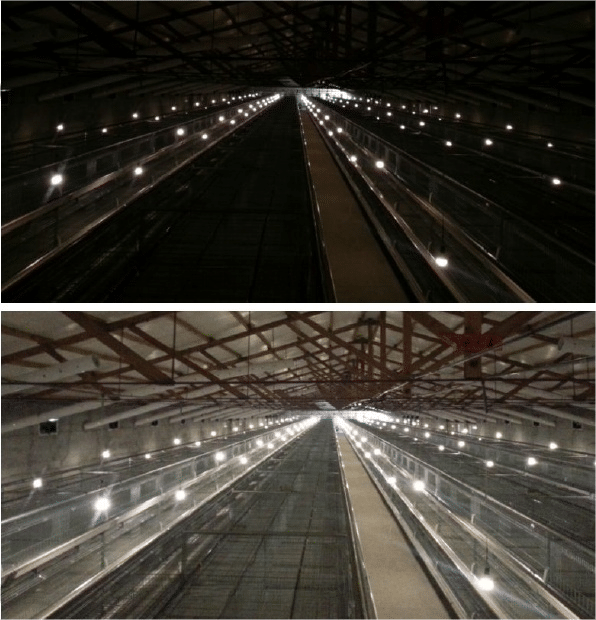
 According to a study by Wageningen University & Research, balanced LED lighting can improve milk yield by up to 7%.
Types of Cattle Lighting
Lighting in barns has changed a lot in the last decade. Here are the main types you will find today:
Fluorescent Lights
They used to be everywhere. They are cheap but flicker and do not last long in wet, ammonia-heavy barns.
Standard LED Tubes
A big step forward. They save energy and last over 50,000 hours, but they do not always deliver the even brightness cows need.
Blue-Enhanced LED Lights
The newest generation. They use a color spectrum close to natural daylight — steady, soft, and proven to help cows stay active. For most dairy farms, this is now the preferred choice.
What to Look For
When choosing barn lighting, do not just look at price. Check the basics that make a real difference:
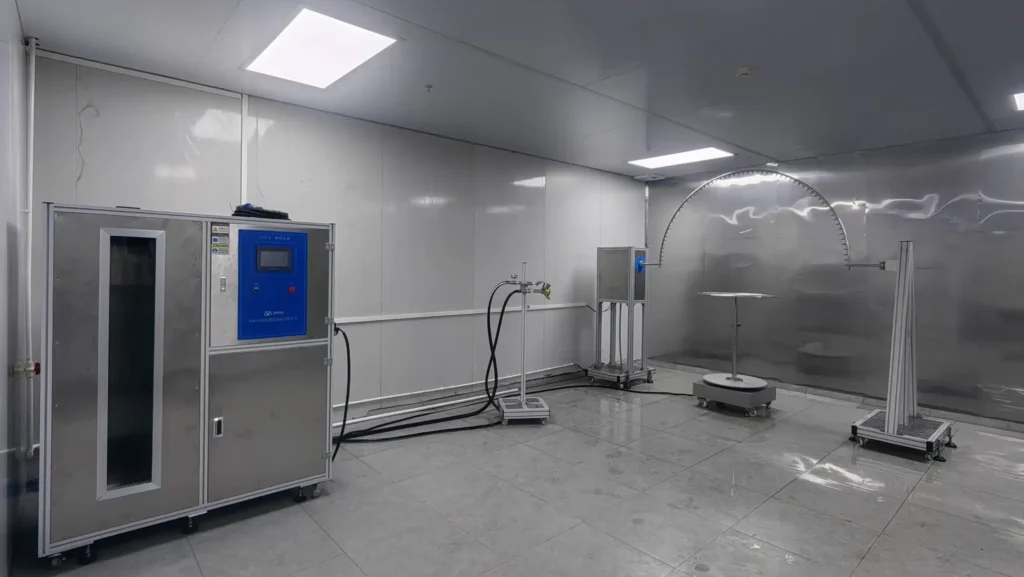
IP67 waterproof and ammonia-resistant design for tough barns
Flicker-free and dimmable control to reduce stress
Around 150–200 Lux brightness, perfect for milking and feeding areas
Long lifespan of over 50,000 hours, meaning years of reliable use
 You can also explore our DIALux test results.
What Farmers Notice After Switching
Farmers usually do not expect big changes — until they do.
After switching to LED cattle lighting, they often say:
“The cows seem calmer.”
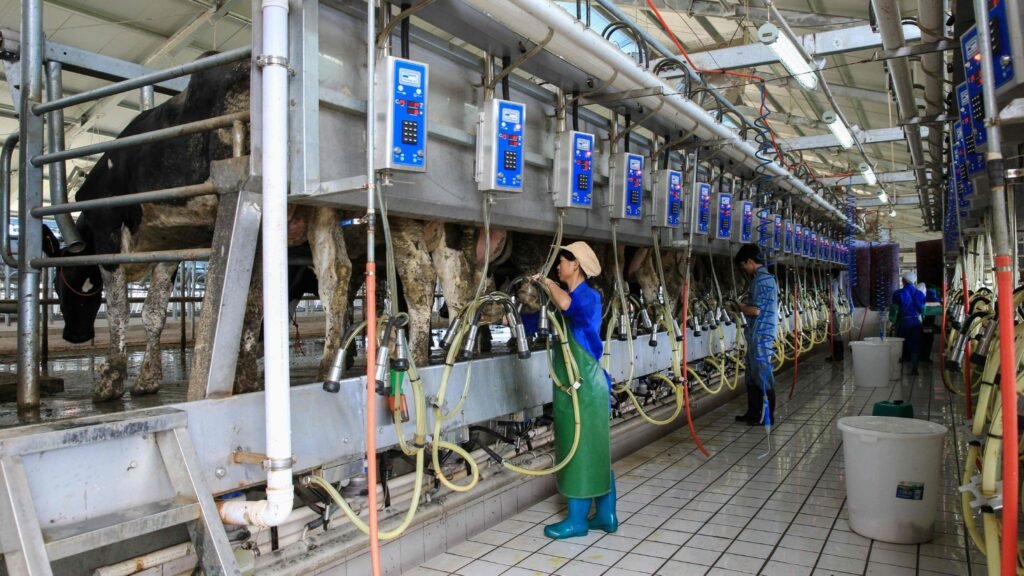
“Milking goes smoother.”
“The place feels more alive.”
It is small things like that — steady light, no shadows, clear visibility — that quietly improve everything.
Better light leads to better mood, better feed intake, and more consistent milk yield.
How to Choose the Right System
Start by looking at your barn layout. Measure the distance between rows, ceiling height, and any dark corners.
Ask your supplier for a DIALux lighting plan — a simple visual showing how the lights will spread.
Choose lights that give even coverage, have a blue-balanced spectrum, and meet the 150–200 Lux brightness standard.
If they are also dimmable and IP67 waterproof, you are set for years.
Final Thoughts
Lighting shapes how a barn feels — for cows and for people.
When it is right, cows eat calmly, move smoothly, and milk flow stays steady.
And for farmers, a well-lit barn just feels better: brighter mornings, easier work, and fewer shadows.
It is one of those upgrades that pays for itself quietly, day by day, with every milking.