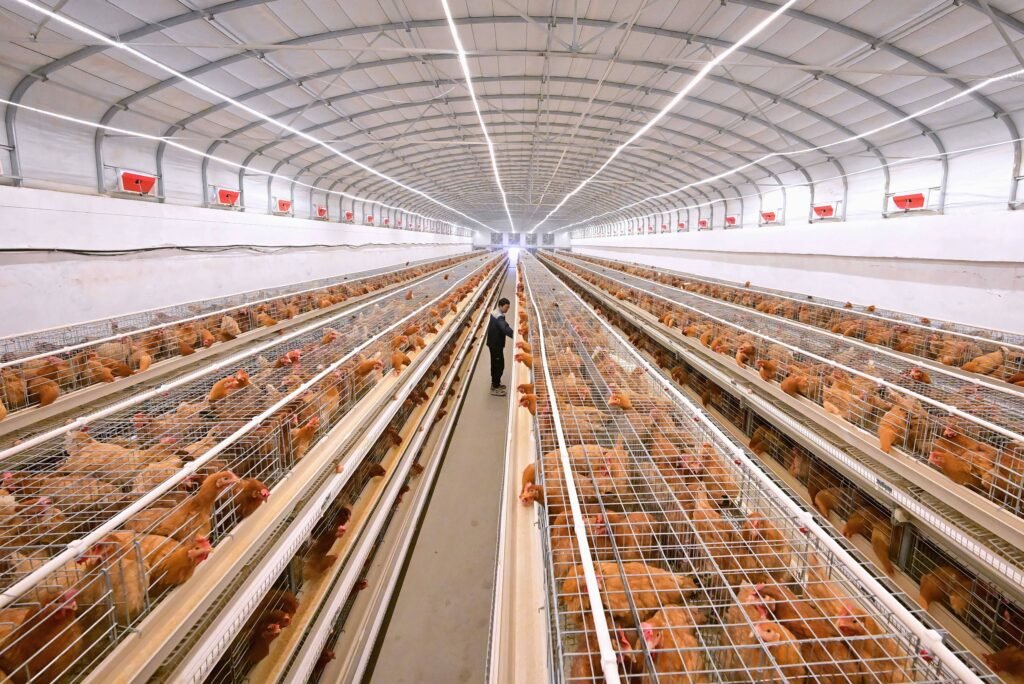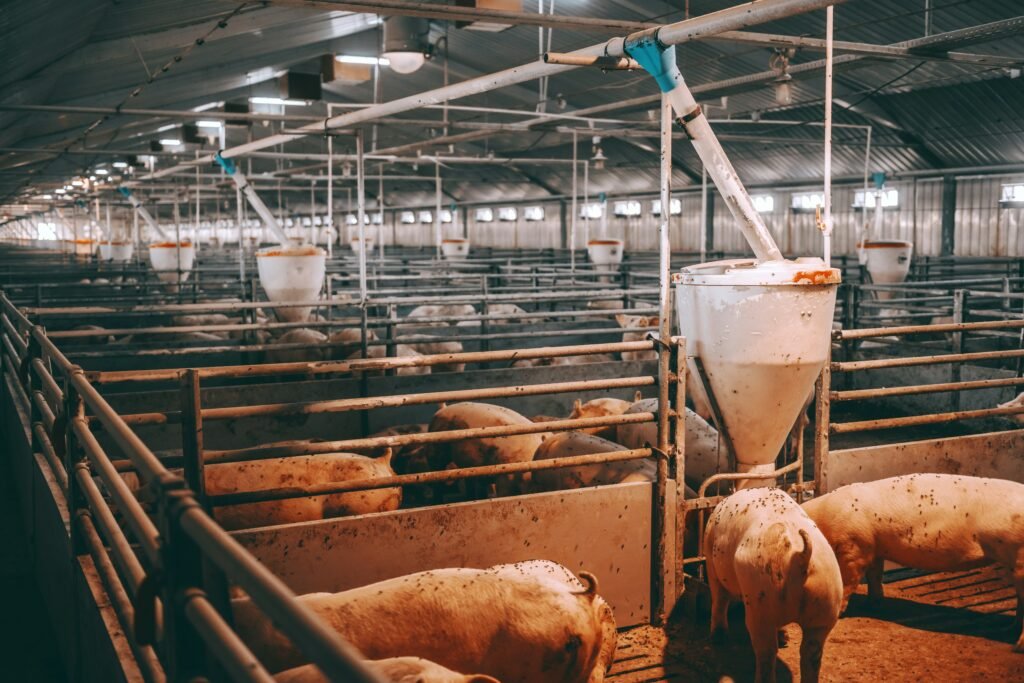
When choosing livestock lighting, many farms focus on waterproof ratings.
IP65, IP67, or even IP69K often look reassuring.
However, in real livestock barns, waterproof does not always mean durable.
Many lights survive washdowns but still fail much earlier than expected.
The missing factor is ammonia resistance.
This article explains the real difference between waterproof and ammonia-resistant lights, and why both matter in livestock farming.
What Does “Waterproof” Really Mean?
Waterproof ratings describe protection against water and dust.
They are defined by IP standards.
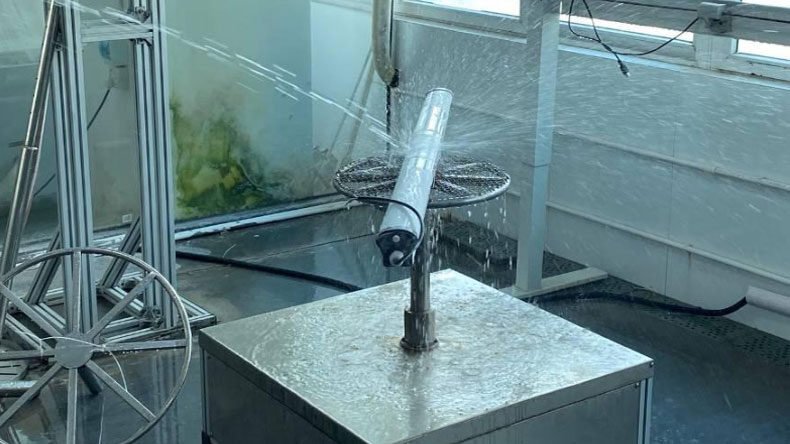
IP65: Protection against water jets
IP67: Protection against temporary immersion
IP69K: Protection against high-pressure washdown
These ratings are essential in livestock barns, especially during cleaning.
They help prevent water from entering the fixture.
However, IP ratings do not evaluate chemical exposure.
They do not measure how materials perform under long-term ammonia contact.
What Is Ammonia Resistance in Livestock Lighting?
Ammonia is produced naturally from animal waste.
In pig and poultry barns, ammonia is always present—even with good ventilation.
Over time, ammonia attacks:
Plastics and seals
Metal parts
Cable jackets
Electronic components
Ammonia resistance refers to a light’s ability to withstand long-term chemical exposure without cracking, discoloration, or loss of sealing integrity.
This type of resistance is not covered by waterproof testing.
Key Differences: Waterproof vs Ammonia-Resistant
| Aspect | Waterproof Lights | Ammonia-Resistant Lights |
| Protection focus | Water & dust | Chemical corrosion |
| Main standard | IP rating | Material & design |
| Typical failure | Seal leakage | Material degradation |
| Suitable for | Washdown areas | Animal housing |
| Lifespan in barns | Limited | Significantly longer |
Waterproofing protects against cleaning.
Ammonia resistance protects against daily barn exposure.
Why Waterproof Lights Still Fail in Livestock Barns
Many farms experience early lighting failure despite high IP ratings.
In practice, failures often start at:
Cable entries
Gaskets and seals
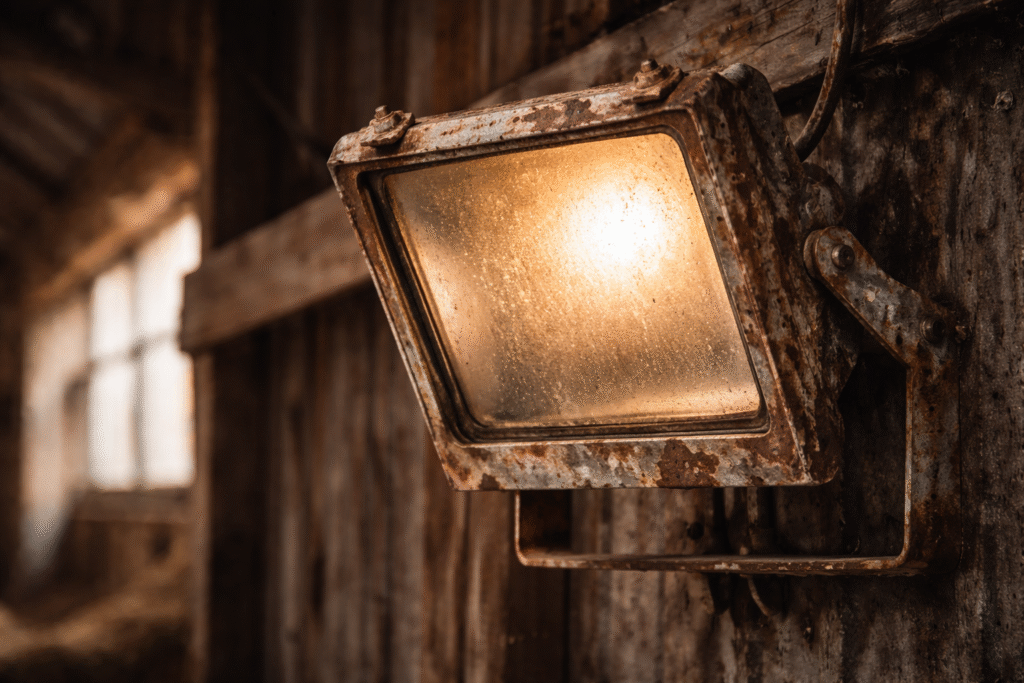
Plastic housings that become brittle
In many livestock barns, industrial waterproof lights begin to show material degradation within 12–24 months of exposure.
Once materials weaken, sealing performance drops and moisture enters, accelerating failure.
This explains why waterproof alone is not enough for livestock lighting.
Which Farms Need Ammonia-Resistant Lighting Most
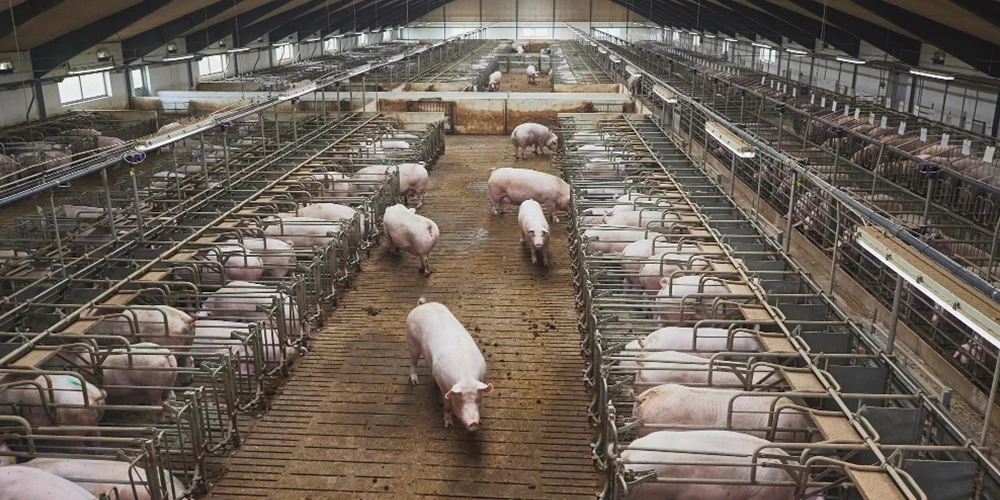
Pig Barns
Pig houses typically have the highest ammonia levels.
Frequent washdowns further stress materials and seals.
Poultry Houses
High stocking density and warm environments speed up chemical aging.
Lighting failures often appear sooner than expected.
Dairy Barns
Ammonia levels are lower, but long operating hours still require stable materials and reliable sealing.
How to Choose the Right Lighting for Real Farm Conditions
When selecting livestock lighting, IP rating alone is not enough.
Material choice and structural design matter just as much.
Quick checklist for livestock lighting selection:
Designed specifically for livestock housing
Proven ammonia-resistant materials
Well-sealed cable entries and connectors
Stable performance under regular washdown
Choosing lights built for animal environments reduces early failure and maintenance cost.
Conclusion
Waterproof protection is essential in livestock barns.
But it only addresses cleaning and moisture.
In animal housing, ammonia resistance determines long-term reliability.
Lights designed specifically for livestock environments last longer, reduce maintenance, and perform more consistently.
For modern farms, the right choice is not waterproof or ammonia-resistant.
It is lighting designed to handle both.
FAQ
Is IP69K enough for livestock barns?
No. IP69K only covers water pressure, not chemical exposure.
Can industrial waterproof lights work in pig or poultry barns?
They often fail early due to ammonia-related material degradation.
Is ammonia-resistant lighting more expensive?
It may cost more upfront, but usually reduces replacement and maintenance costs over time.
How can I tell if a light is ammonia-resistant?
Check material quality, sealing design, and proven use in livestock housing.