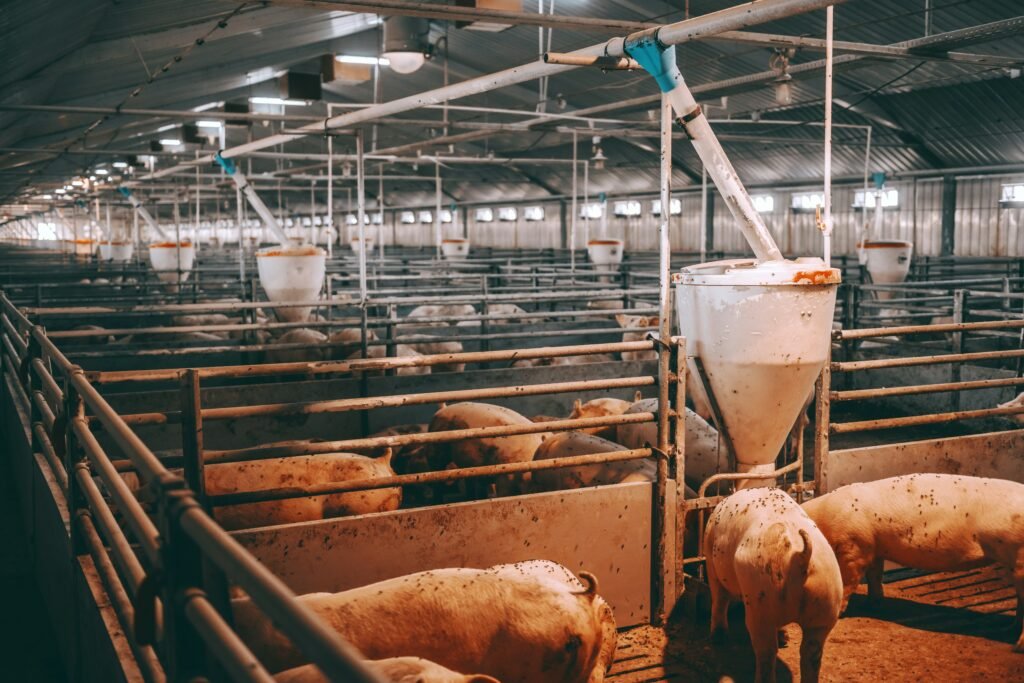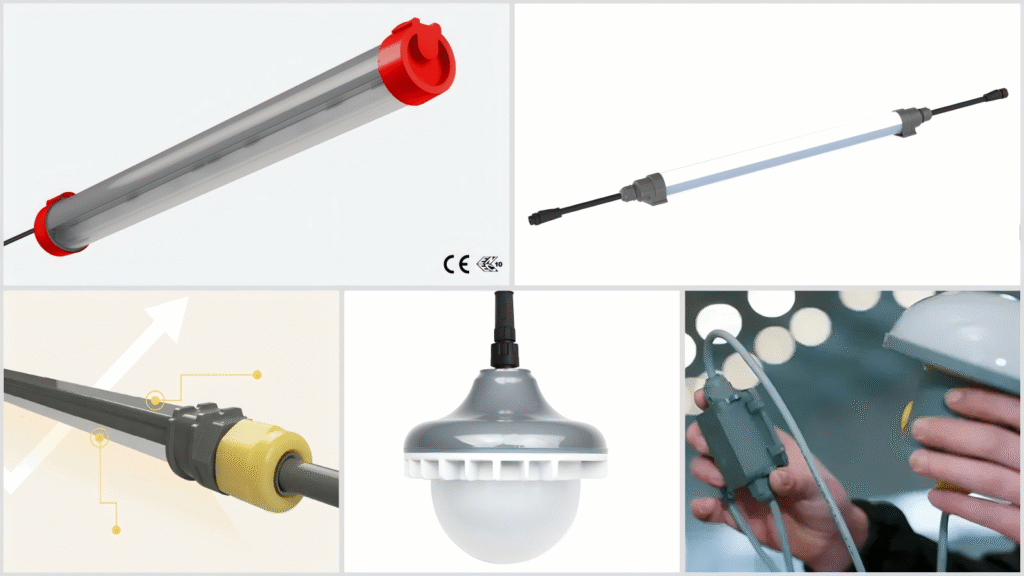
LED Lighting is one of the easiest and most powerful ways to improve livestock farming.
The right lighting system doesn’t just brighten barns — it affects animal health, behavior, and productivity.
Over the past decade, LED technology has changed how farmers manage their barns, offering reliable, energy-saving, and animal-friendly solutions.
Why Lighting Matters in Livestock Farming
In modern agriculture, lighting plays more than a visual role.
Animals react to light differently from humans — it shapes their feeding patterns, fertility, and growth.
Poor lighting can cause stress, reduce intake, and lead to inconsistent production cycles.
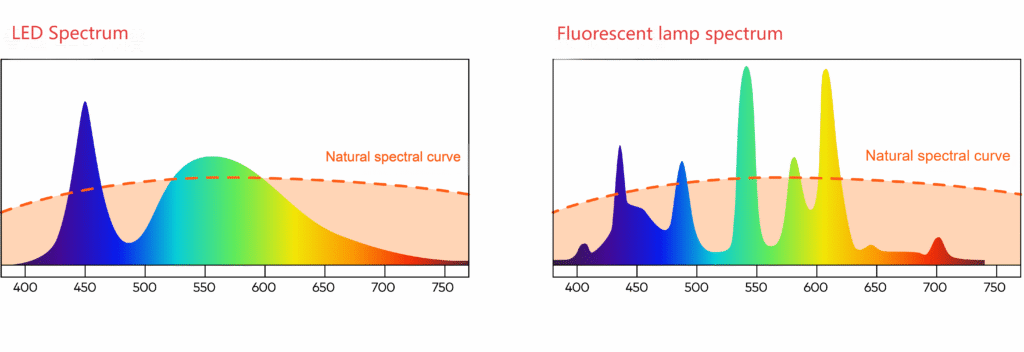
People used to us traditional fluorescent lamps for farms, but those lights often failed in humid, dusty, or ammonia-rich conditions.
LED livestock lights now replace them because they offer steady brightness, high efficiency, and long service life — all while working perfectly in the toughest environments.
1. Energy Efficiency and Cost Savings
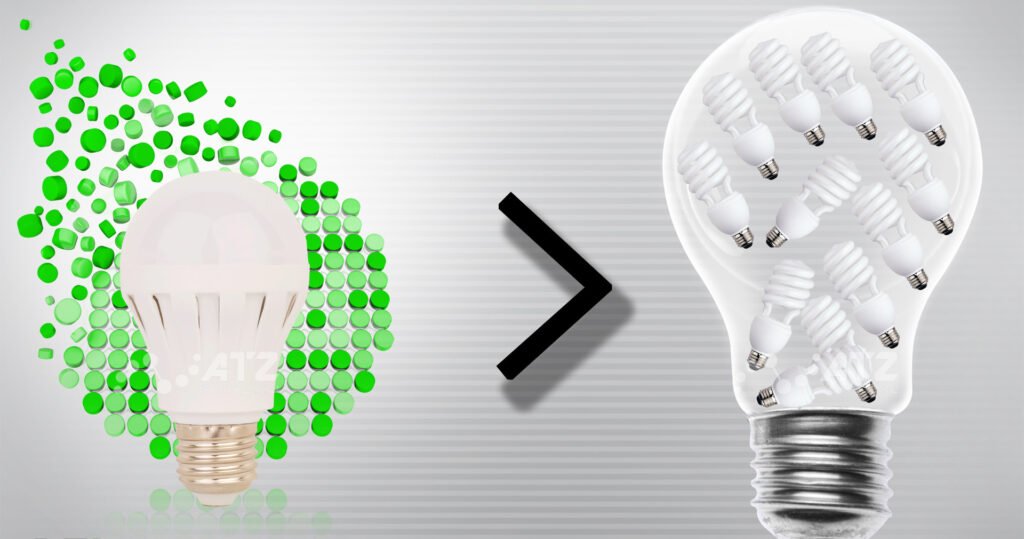
One of the most obvious advantages of LED lighting is its efficiency.
Compared to fluorescent or halogen lamps, LED lights use up to 60% less energy.
This means farmers can cut down electricity bills without reducing brightness.
According to the U.S. Department of Energy , LED lighting can reduce energy use by more than half in agricultural environments.
LEDs also last longer — often over 50,000 hours of lifespan.
That means fewer replacements and less maintenance, especially in large barns that run 24 hours a day.
In short, it’s a long-term investment that saves both money and time.
2. Waterproof and Ammonia-Resistant Design
Livestock environments are harsh.
Humidity, dust, and ammonia gas from animal waste can quickly damage regular lights.
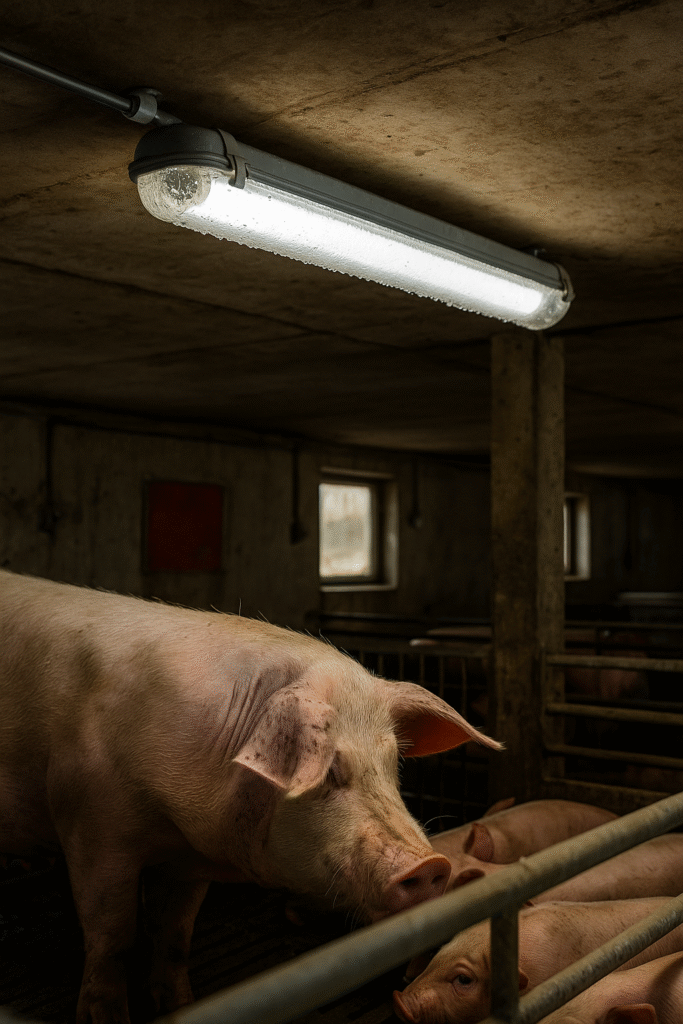
LED livestock lighting solves this problem with IP67 waterproof and dustproof protection, and materials that resist ammonia corrosion.
This design ensures that lights remain bright and stable even in pig houses or dairy barns with high moisture.
It also keeps cleaning simple — lights can be washed or sprayed without damage.
3. Better Animal Welfare and Productivity
Light affects animals’ hormones and behavior.
Good lighting makes animals calm, active, and productive.
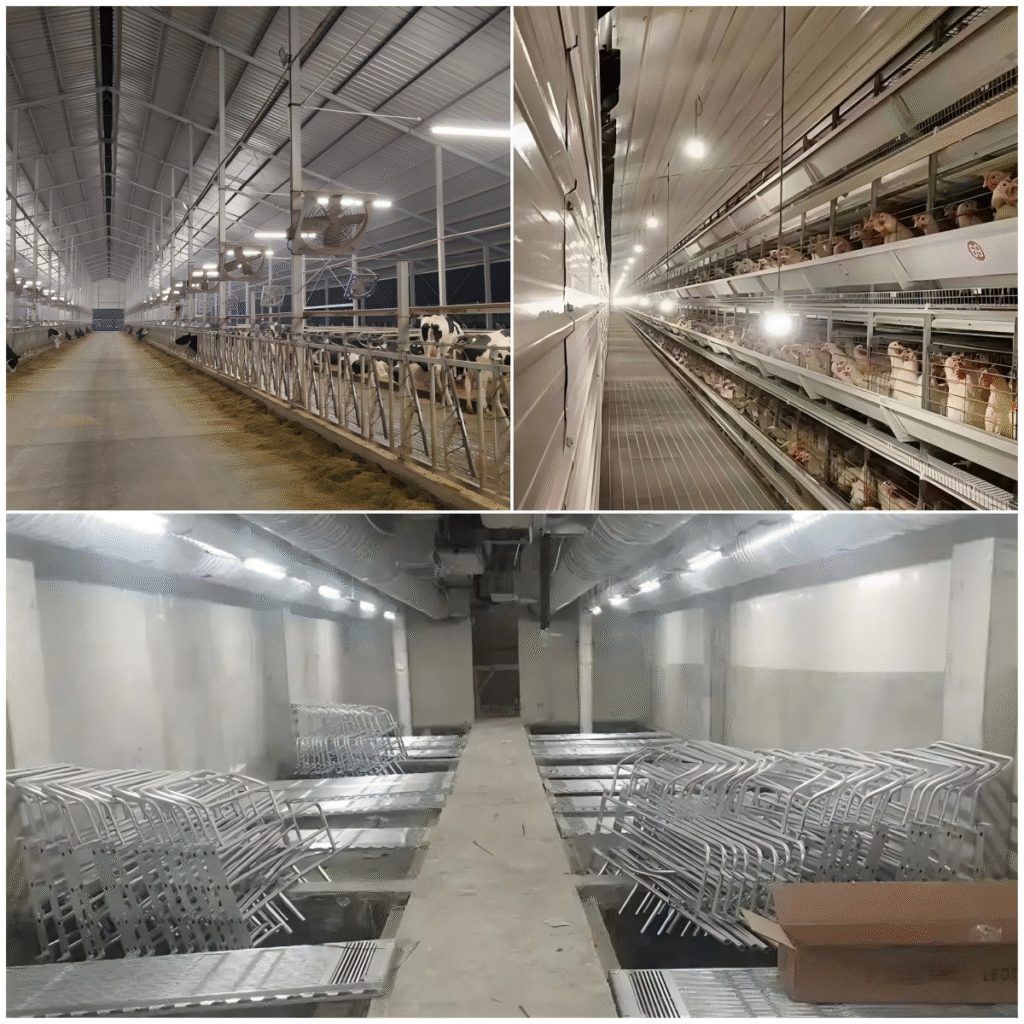
For cows, blue-balanced light (around 5,000–10,000 K) helps regulate their biological rhythm and boosts milk yield by 5–7%.
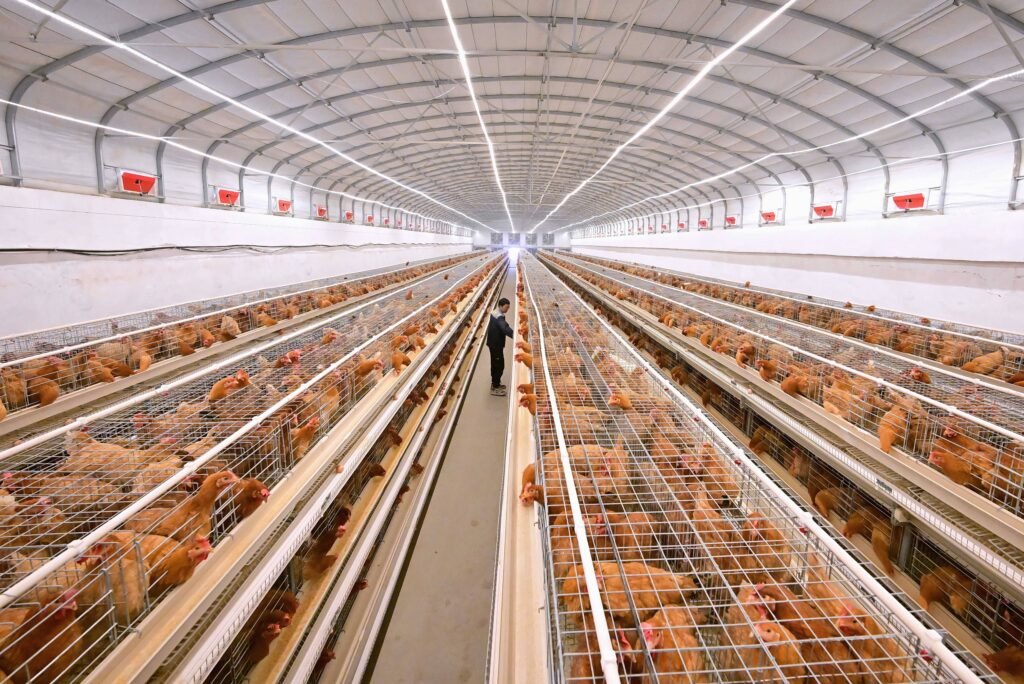
For poultry, full-spectrum LED lighting reduces stress and encourages stable egg production.
For pigs, soft red light at night keeps the herd calm and reduces aggressive behavior.
By simulating natural daylight and night cycles, LED systems help create a more balanced, comfortable environment that supports both welfare and efficiency.
Research from Wageningen University & Research found that optimized lighting can improve milk yield and animal well-being by up to 7%.
4. Flicker-Free and Dimmable Control
Many farmers don’t realize that light flicker — invisible to humans — can disturb animals.
Flicker makes livestock anxious and affects feeding patterns.
Modern LED livestock lights solve this by using flicker-free drivers.
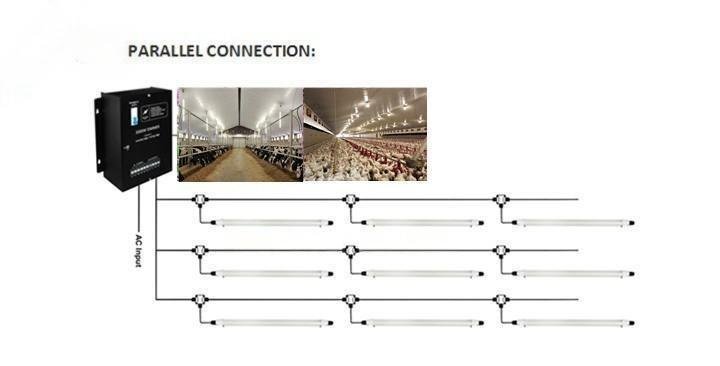
They also include 0–10 V or PWM dimming control, allowing smooth transitions between day and night cycles.
This feature helps animals rest properly at night while keeping staff visibility for work and monitoring.
It also supports flexible control for different barn zones — feeding, breeding, or resting areas.
5. Long Lifespan and Reliable Performance
Unlike traditional bulbs that burn out after a few months, LED livestock lights are designed for longer use.
They maintain stable brightness(low depreciation) even after years of continuous use.
Because they produce less heat, they are safer in enclosed barns.
And their solid-state design means no fragile glass or mercury — making them both durable and eco-friendly.
The International Electrotechnical Commission (IEC) sets global performance standards for LED lighting reliability in industrial and agricultural use.
6. Sustainability and Farm Efficiency
Switching to LED lighting is not only good for animals — it’s also good for the planet.
Less energy consumption means lower CO₂ emissions.
Combined with smart lighting control, farmers can reduce energy waste during daylight hours and extend lamp life.
In addition, well-lit barns improve visibility for staff, reduce accidents, and support safer, cleaner operations.
Final Thoughts
Lighting is often overlooked, yet it’s one of the easiest ways to improve animal welfare and reduce operating costs.
From poultry to pigs and dairy cows, LED lighting provides a stable rhythm that supports healthier animals and better productivity.
For farms aiming to modernize, LED livestock lights are no longer optional — they’re essential.
They create a calmer atmosphere, save power, and last for years.
Have you upgraded your barn lighting system yet?
Share your experience or questions below — every barn has a story to tell.
Contact us now!